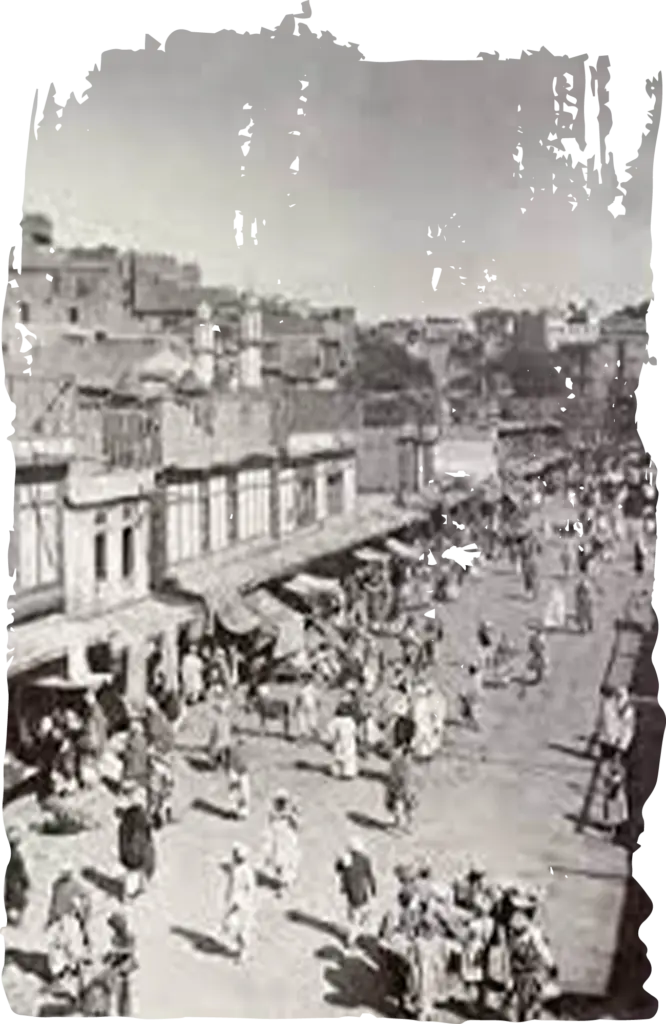
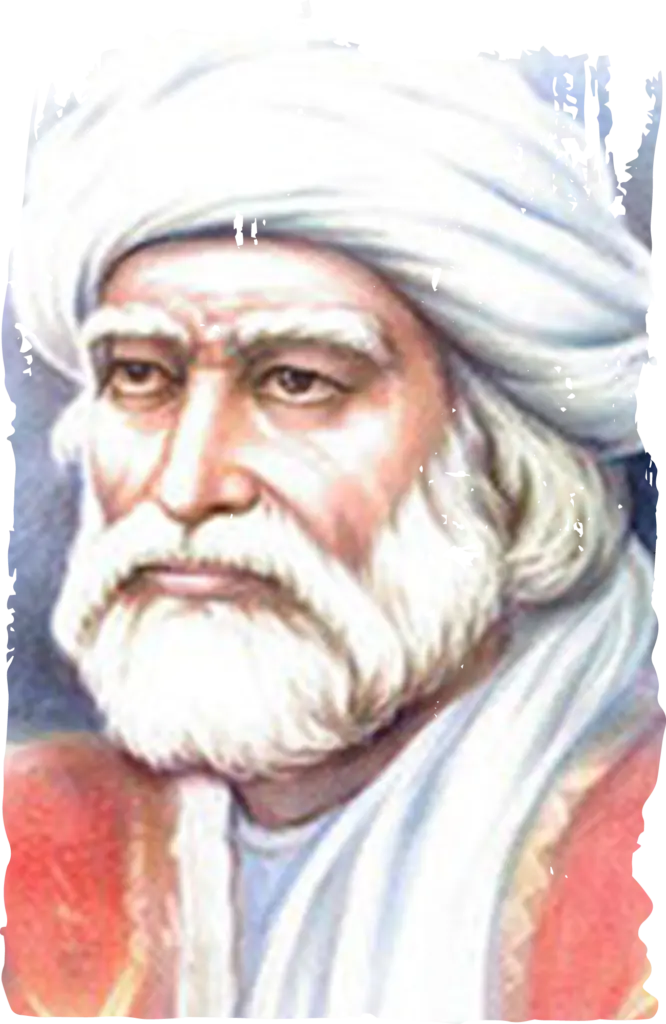
The historic gateway to the subcontinent — Gandhara’s ancient heart, framed by the Khyber Pass.
Khyber Pakhtunkhwa, bordered by Afghanistan, boasts Peshawar as its capital and the fertile Vale of Peshawar at its heart. Once Gandhara’s ancient hub, it teems with archaeological treasures. It shares borders with Afghanistan, Azad Kashmir, Northern Areas, Punjab, and Baluchistan. To its west lies the federally administered tribal areas, ethnically akin but politically distinct.
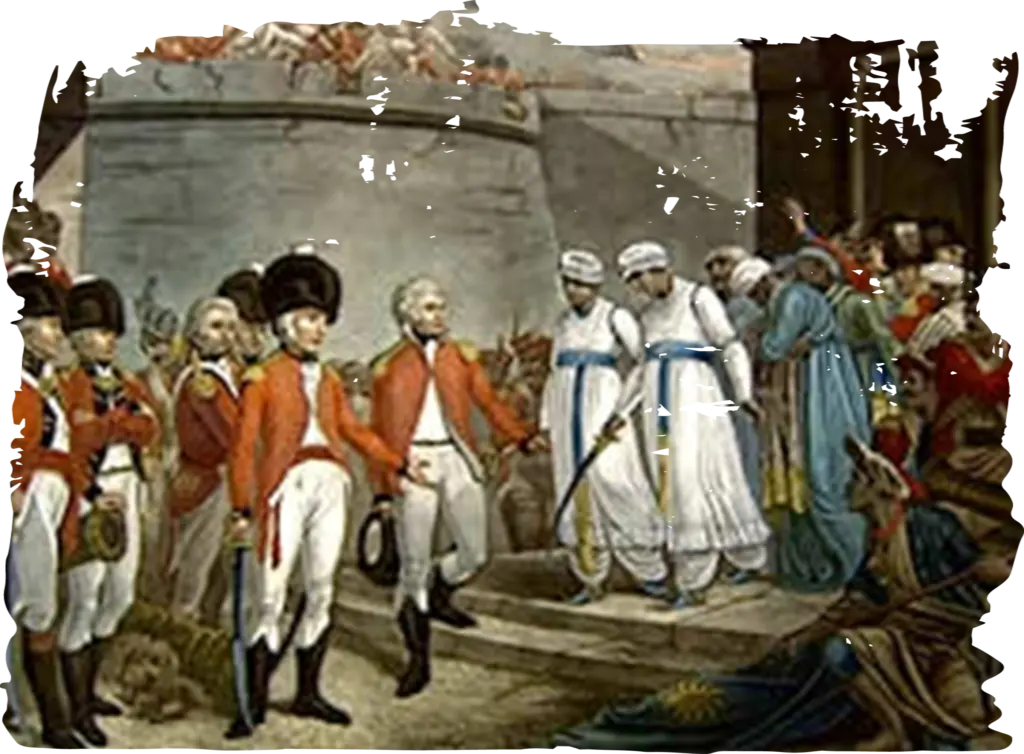
The layered history that shaped the province.
Khyber Pakhtunkhwa, as the historic gateway to the Indian subcontinent, witnessed Aryans’ migration from around 2000 BC. Conquered by Persians in 6th century BC, it later encountered Alexander’s invasion in 327 BC, influencing the region with Greek culture and sparking the rise of Chandragupta Maurya’s empire.
Arabs and Pathans interacted from the 7th century, but Mahmud of Ghazni’s 1001 AD victory over Jayapala, the last Hindu Shahi King of Gandhara, marked a pivotal moment. His campaigns in KP and Punjab weakened Hindu rule and facilitated the spread of Islam in the subcontinent.
Babar, founder of the Mughal Empire, entered the subcontinent via the Khyber Pass in 1505, briefly taking Kohat and Bannu before returning to Kabul. In 1526, he defeated the last Lodhi king and declared himself Emperor of Delhi. Babar united KP tribes, including the Yusufzais, and expanded Mughal influence into India, earning the support of Pathans. His memoir, Babur-Nama, provides a detailed history of KP during his reign, paving the way for Mughal rule until the 18th century, interrupted only briefly by Sher Shah Suri.
Khyber Pakhtunkhwa came under British rule in 1849. During the Indian Rebellion of 1857, Pathans in Peshawar supported the British. The Durand Line, marking the border with Afghanistan, was established in 1893. The province gained self-government in 1937 after various freedom movements, including civil disobedience led by Mirza Ali Khan and nonviolent efforts by Abdul Ghaffar Khan and Dr. Khan Sahib.
Khyber Pakhtunkhwa joined Pakistan after independence to strengthen ties with Muhammad Ali Jinnah. Despite Afghanistan’s Pakhtunistan movement after independence, which sought a separate state for Pathans, many Pathans integrated into Pakistan’s government, leading to strained Pakistan-Afghanistan relations. The province played a pivotal role during the Afghan-Soviet war, hosting mujahideen fighters and millions of refugees. Events in Afghanistan have also affected regions along the Durand Line due to the War on Terror. In 2010, the province was renamed Khyber Pakhtunkhwa, reflecting its Pathan identity after Abdul Ghaffar Khan’s advocacy for a name change from North West Frontier Province (NWFP).
Our travel experts can arrange domestic tours, transport and stays across the province.
Established in 2009, Discovery Air Services (Pvt) Ltd quickly became a renowned institution in the regional travel and aviation market.